Toy Rotation: A Simple Way to Reduce Clutter and Spark Creativity
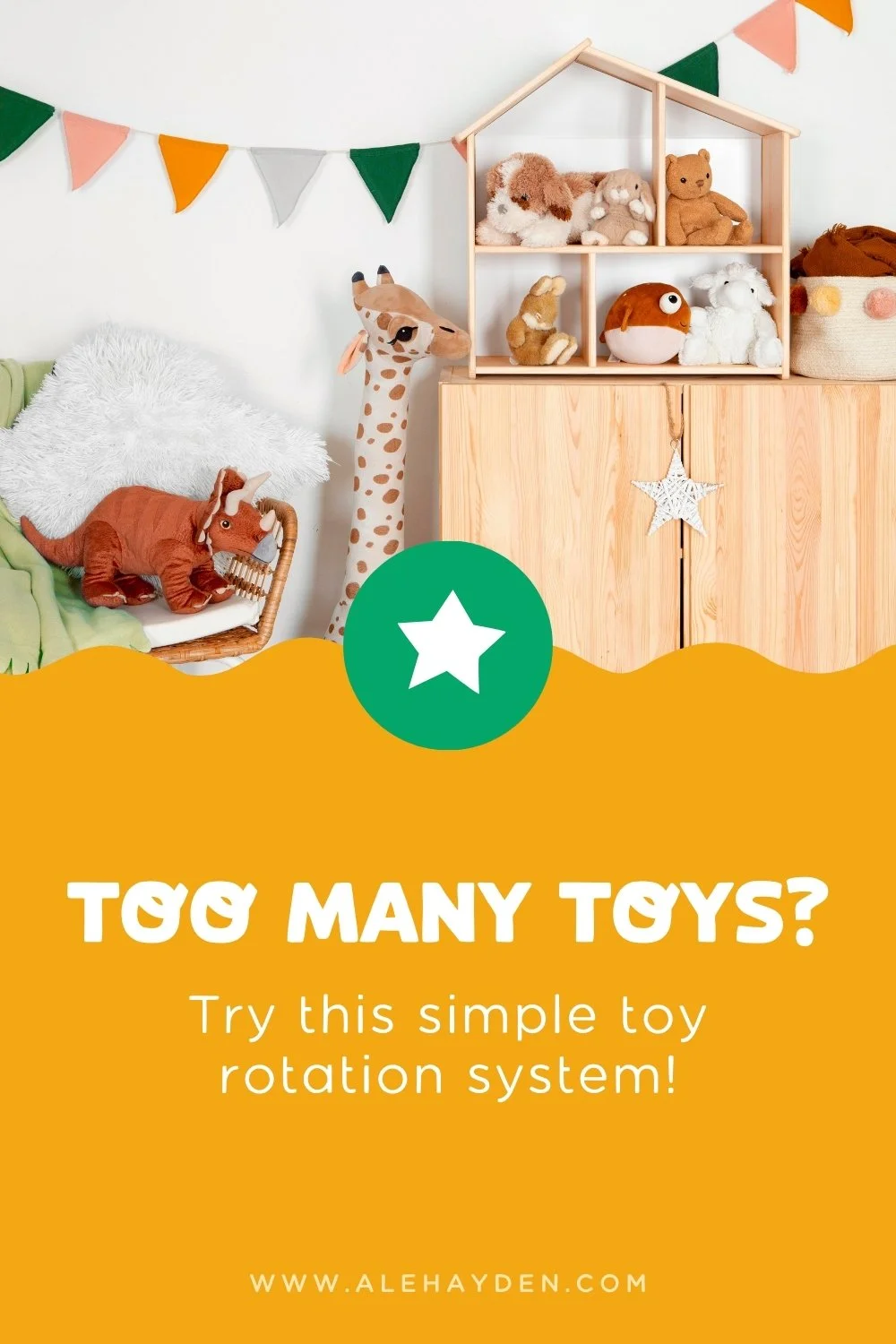
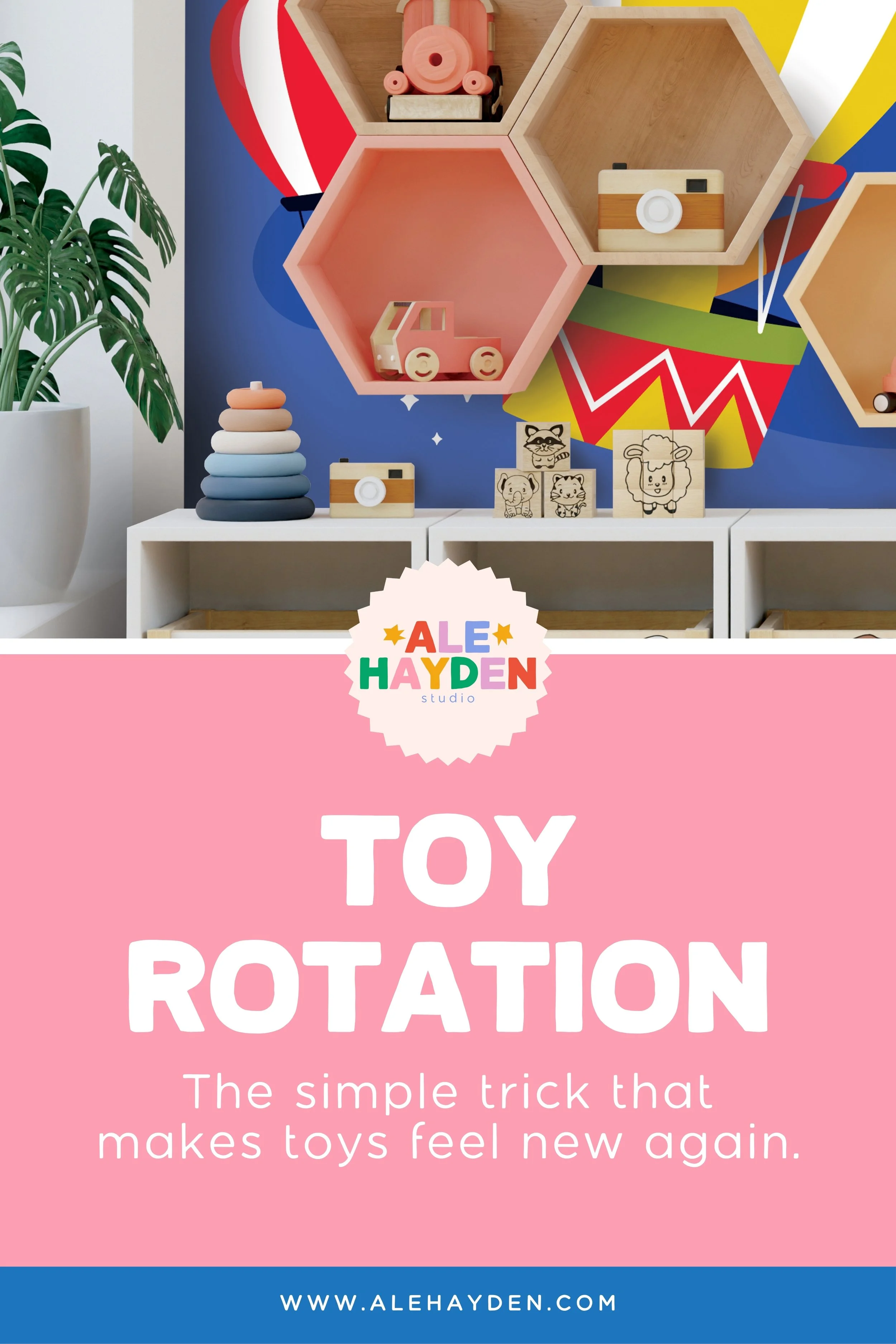
PSA: Toy rotation isn’t about having fewer toys—it’s about using them more intentionally.
I have found that when children, especially toddlers, see fewer options, they play longer and with more focus. Many parents, myself included, also see their children use their imagination in very creative ways. Children feel less overwhelmed by visual clutter and have the ability to rediscover “old” toys with renewed excitement, so it makes sense that their creativity would grow.
For us as parents, it means: easier clean-up, a calmer-looking space, and watching toys actually getting used. Praise!
Toy rotation also supports children’s natural ability to learn, because it can reflect your child’s current interests and developmental stage. You can adapt your toy rotation as skills change (fine motor, pretend play, problem-solving for example). Your space can also stay functional without constant buying or purging.
This toy rotation approach aligns with a sustainable, seasonal, and flexible home–where the environment grows with your child, not against them.
How to start toy rotation (simply and realistically).
1. Choose 6–10 toys to display at one time
Include a mix: something for building, something artistic, something for playing pretend, something physical, something open-ended, etc.
2. Store the rest out of sight
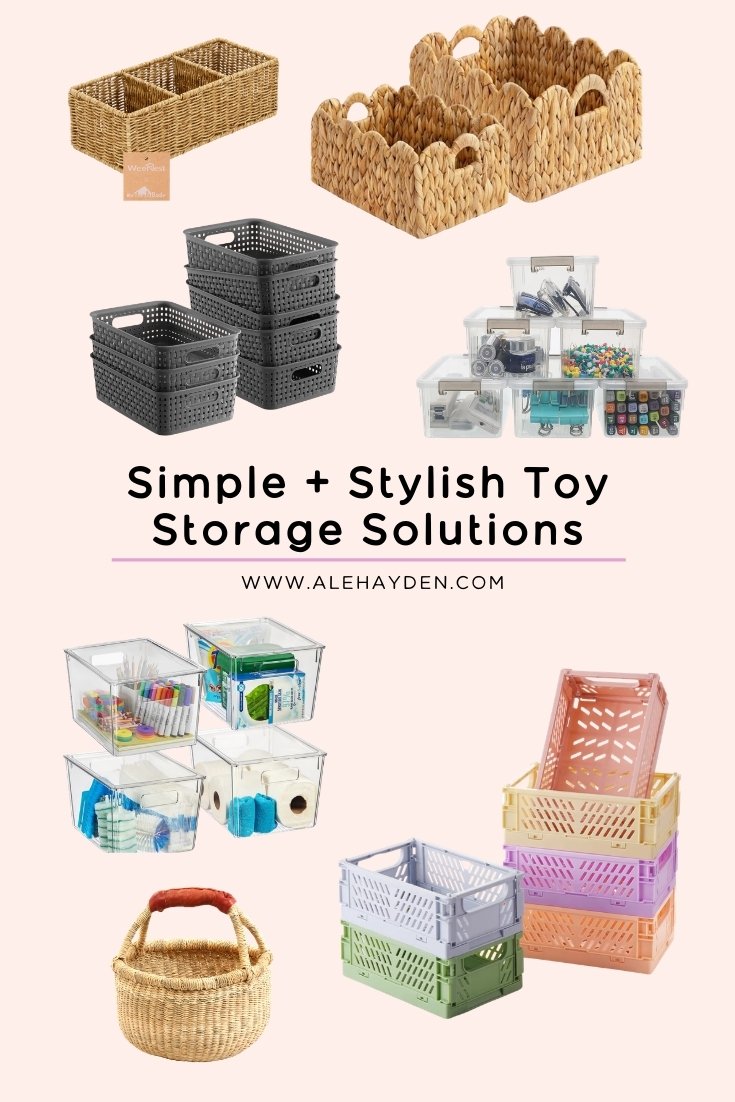
Use bins, closets, or high shelves. Out of view matters. Here are some storage solutions which have helped me immensely. As a highly organized person who doesn’t like to compromise on style, these have my approval. Check! Check!
3. Rotate every 1–2 weeks
Or sooner if interest fades. There’s no “right” schedule and you can adjust with toys and materials which go along with seasonal themes! Think birds, bugs, flowers, pond life, windy and rainy weather for spring for example.
4. Follow your child’s cues
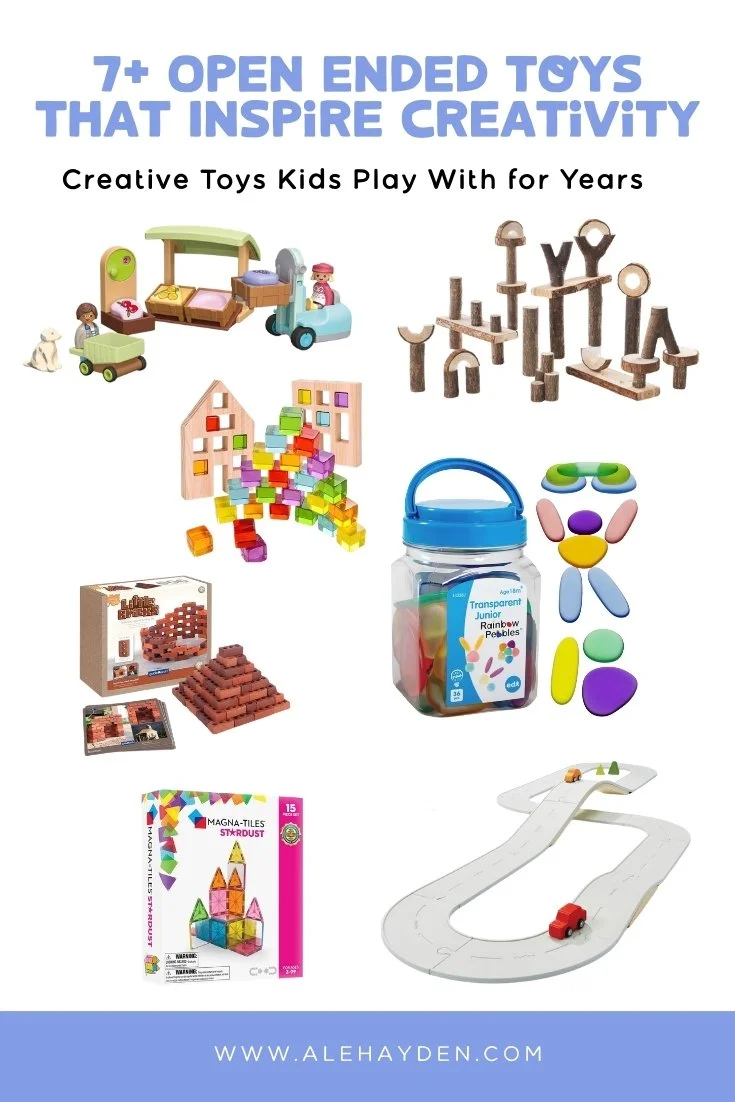
Rotate based on engagement, not a calendar. If you have multiple children, you want to pay attention when it is something they are all interacting with, This is a winning toy. For our family, these are open-ended toys like books, magnetic tiles, pegdolls, and stepping stones. They really grow with children, you will get tons of use out of them, and kids will make all sorts of play with them. You can check out our favorite open-ended toys, and the toy categories I purchase by age group here!
A gentle reminder: Toy rotation isn’t about restriction—it’s about curation. Just like a well-designed room feels better with space to breathe, a thoughtfully edited playroom invites children to play more deeply, confidently, and independently.
Decluttering + Toy Rotation = Balance
Decluttering clears out what is no longer needed, while toy rotation keeps what remains feeling fresh. Together, they create a playroom that feels intentional, creative, and supportive of independent play.